

We Are The World – Building Connections for a Greener Future
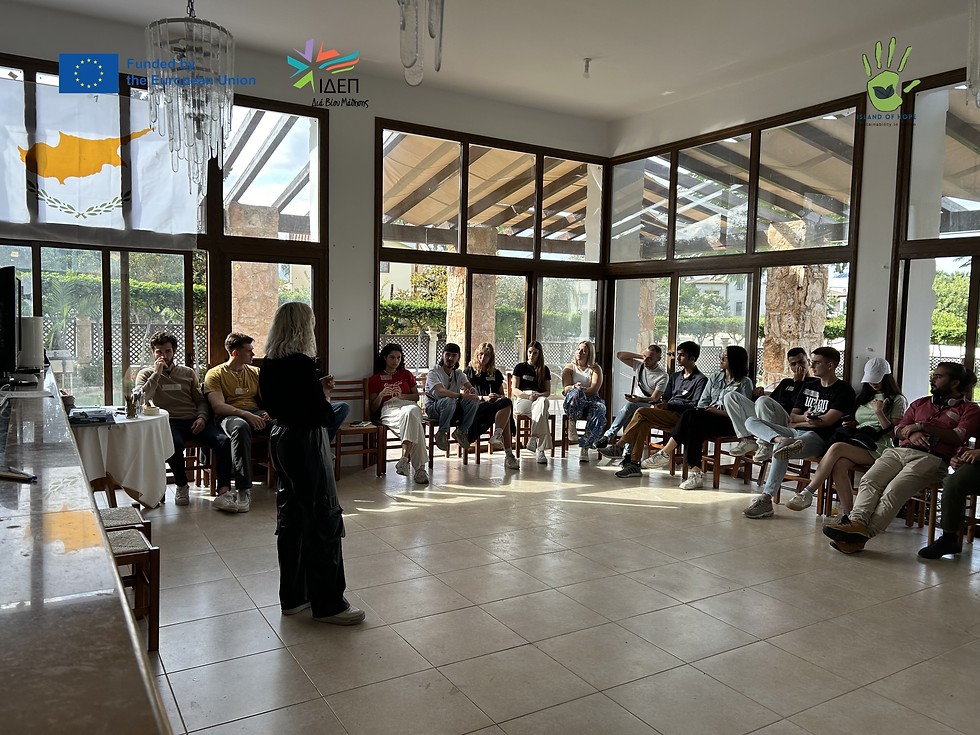
The Erasmus+ Youth Exchange project “We Are The World” officially started in Polis Chrysochous, Cyprus, bringing together 32 young participants from Cyprus, France, Hungary, and Sweden. Over the next several days, these young people will explore environmental challenges, sustainable lifestyles, recycling practices, and the role of youth in creating a more environmentally responsible future. The project aims to increase environmental awareness, promote sustainable habits, encourage intercultural dialogue, and empower young people to become active contributors to positive environmental change.
Before the official activities began, participants arrived at the venue, settled into their accommodation, and received a warm welcome from the project team. During the evening, everyone had the opportunity to meet informally, enjoy dinner together, learn about the practical arrangements of the week, and receive an introduction to the project journey ahead. This relaxed atmosphere helped participants feel comfortable and excited for the days to come.
The first official activity day started with an energising morning session where participants introduced themselves, shared their hobbies, and took their first steps toward getting to know one another. Although simple, this activity immediately created a friendly atmosphere and encouraged communication among participants from different cultural backgrounds.
The day continued with an important orientation session where participants learned more about the project objectives, weekly schedule, and practical aspects of the exchange. They were introduced to the Youthpass certificate and its importance for recognising learning outcomes gained through non-formal education. Participants also reflected on their expectations, fears, and possible contributions to the project through an interactive online survey, helping everyone become active contributors from the very beginning.
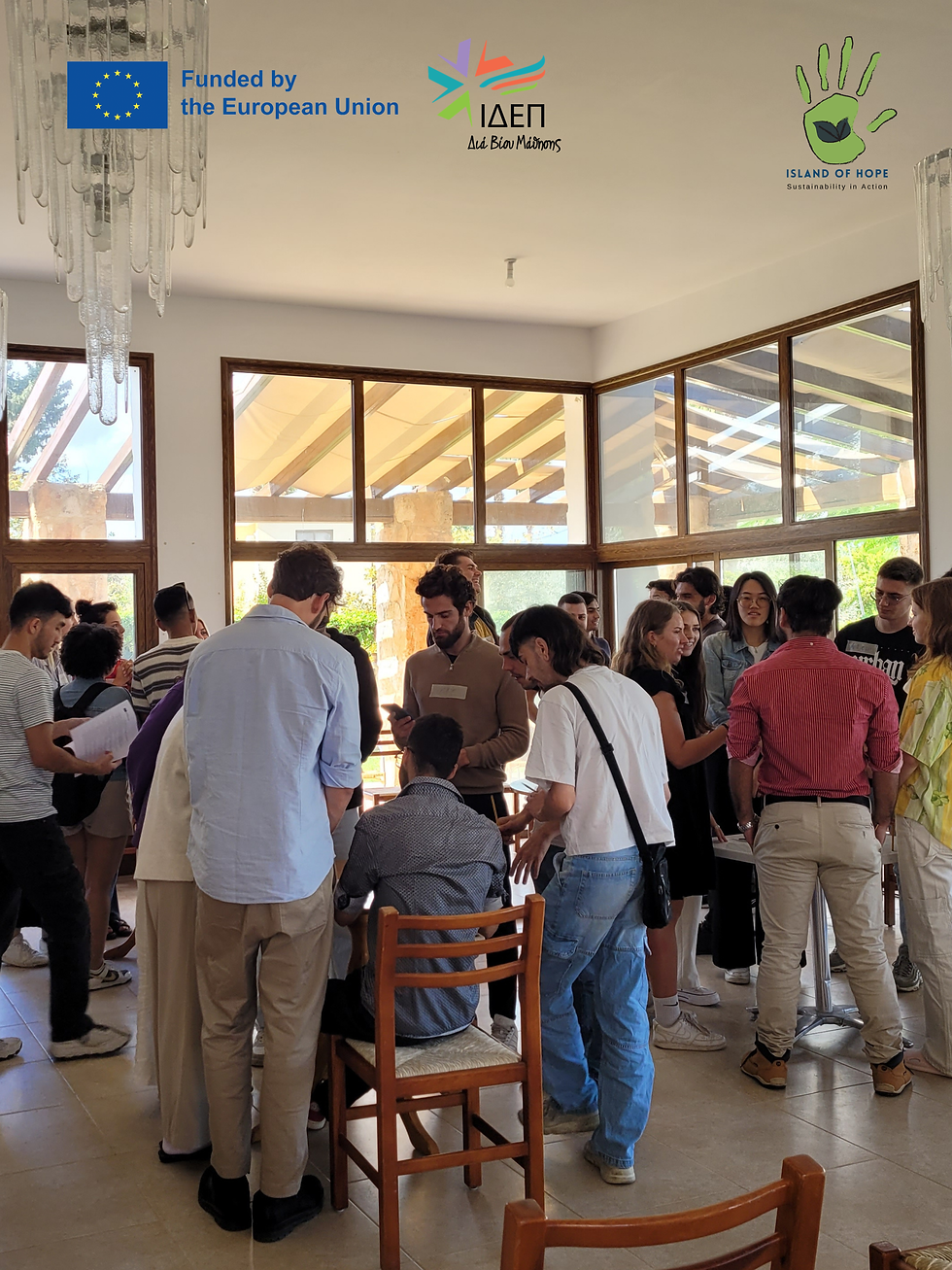
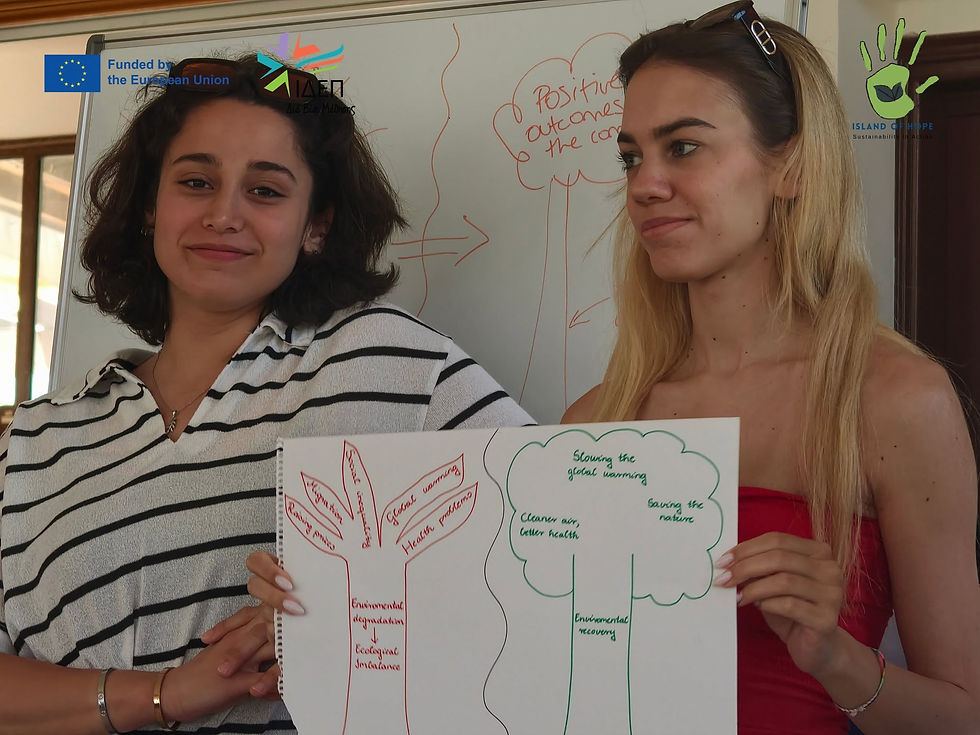
One of the most meaningful moments of the day was the activity “Environment Interconnected.” Through a creative yarn exercise, participants explored how different environmental issues are connected to one another. As the web of threads grew, so did participants’ understanding that environmental challenges cannot be viewed separately. Climate change, pollution, waste, consumption habits, and biodiversity are all interconnected and require collective action. At the same time, the activity helped participants learn each other’s names, experiences, and personal interests related to environmental topics.
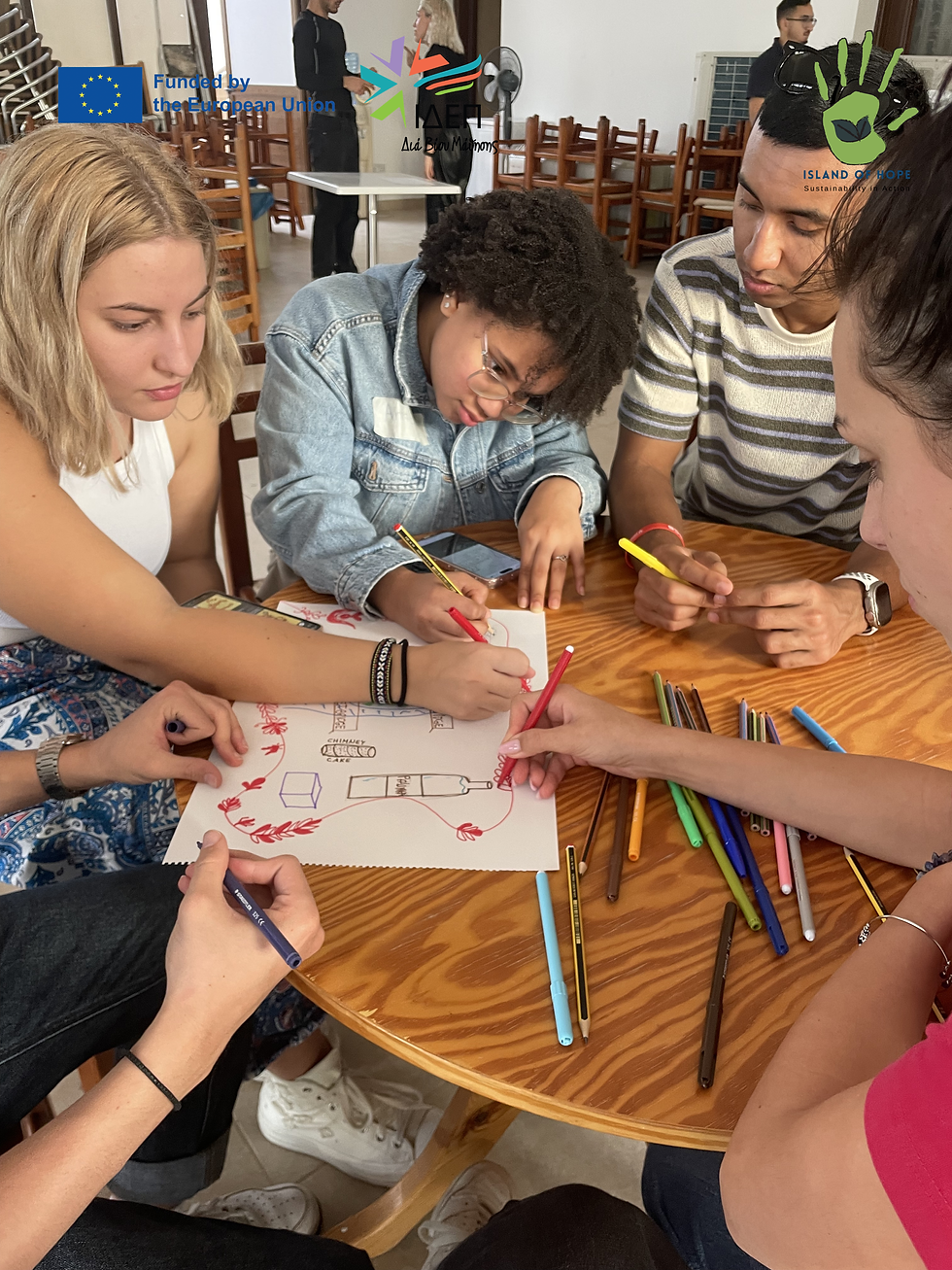
In the afternoon, participants took part in “We Are The World – Project Flag”, a creative intercultural activity. National groups designed flags representing their values, identities, and cultural backgrounds. Later, these individual creations were combined into a common project flag symbolising unity despite diversity. Participants also interviewed one another and presented their partners to the group, creating deeper personal connections and encouraging active listening.
The day concluded with an exciting Scavenger Hunt, where participants worked together to complete a series of challenges requiring teamwork, communication, creativity, and problem-solving. The activity quickly transformed a group of strangers into a team, strengthening trust and cooperation while creating many memorable moments.
During the evening reflection session, participants discussed their experiences, shared feedback, and reflected on what they had learned throughout the day. Many highlighted the importance of understanding environmental interconnectedness, the value of teamwork, and the power of intercultural exchange.
Day 1 successfully laid the foundation for the entire project. Participants not only gained a clearer understanding of the environmental themes that will guide the exchange, but they also started building friendships, trust, and a sense of belonging within the international group. The journey of learning, cooperation, and environmental action has officially begun.
The views, opinions, activities, and materials expressed within this project and publication are the sole responsibility of the beneficiary organization and its project partners and do not necessarily reflect the official position of the European Commission. The European Commission cannot be held responsible for any use that may be made of the information contained therein.
#WeAreTheWorld #ErasmusPlus #YouthExchange #EnvironmentalAwareness #Sustainability #GreenFuture #EcoYouth #ClimateAction #YouthForEnvironment #EnvironmentalEducation #RecycleForTomorrow #SustainableLiving





Comments