

We Are the World: A Journey of Learning, Action, and Environmental Change
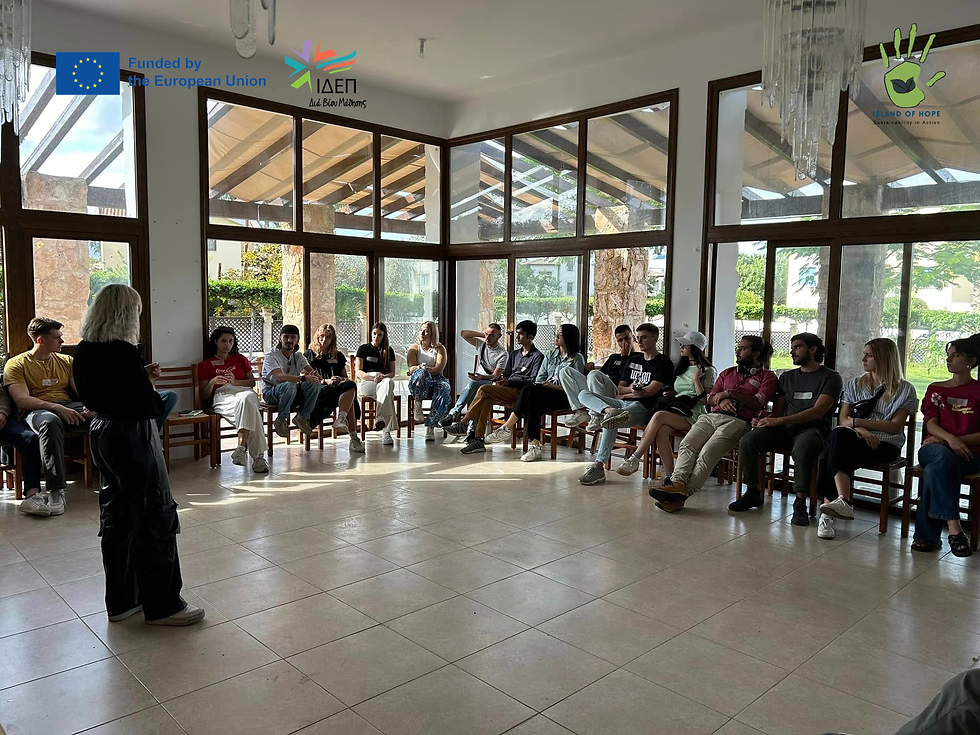
As We Are the World comes to an end, we proudly look back on an incredible week of learning, collaboration, and environmental action that took place in Polis Chrysochous, Cyprus, from 15–22 November 2024.
Bringing together 32 young participants from Cyprus, Hungary, France, and Estonia, the project created a unique space where young people from different cultural, social, and geographical backgrounds could come together to explore environmental challenges, share perspectives, and develop practical solutions for a more sustainable future.
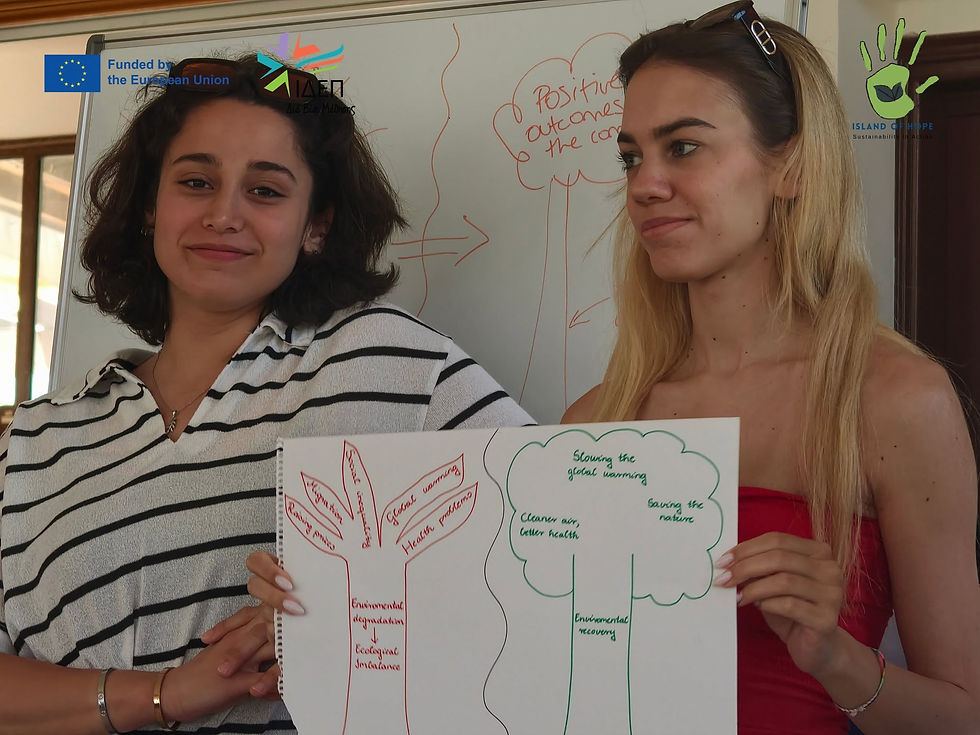
Throughout the week, participants engaged in a rich program of non-formal learning activities that combined environmental education, intercultural exchange, creativity, and active participation. From environmental debates and digital advocacy workshops to city clean-up actions, recycling challenges, policy simulations, cultural nights, and nature-based learning experiences, every activity contributed to building awareness, skills, and motivation for positive environmental action.
Key Achievements of the Project
Increased Environmental Awareness: Participants developed a deeper understanding of pressing environmental issues, including pollution, waste management, climate challenges, biodiversity protection, and water conservation. Through interactive workshops and discussions, they explored both local and global environmental realities and reflected on their own role in creating positive change.
Practical Sustainability Skills: The project moved beyond theory by providing hands-on learning opportunities. Participants practiced waste sorting, explored recycling methods, learned water-saving techniques, and discovered practical ways to reduce their environmental footprint in everyday life.
Digital Tools for Environmental Advocacy: One of the most inspiring activities focused on using digital platforms to support environmental causes. Participants explored tools such as Canva, crowdfunding platforms, blogs, and online petition websites to design campaigns and awareness initiatives aimed at encouraging sustainable behaviors and environmental responsibility.
One of the digital products developed during the project was the "Saving Nemo" blog, designed by participants to educate the public about marine environmental challenges and inspire positive action toward cleaner and healthier oceans.
Building Bridges Between Different Perspectives: The project successfully connected young people from urban and rural backgrounds, allowing participants to exchange experiences, challenge assumptions, and discover common environmental concerns. This dialogue strengthened intercultural understanding while fostering a shared commitment to sustainability.
Collective Environmental Action: One of the most memorable moments of the project was the community clean-up initiative in Polis Chrysochous. Working together as one international team, participants collected waste from public areas, engaged with local stakeholders, and demonstrated how collective action can make a visible difference in protecting the environment.
Empowering Future Environmental Advocates: Through debates, simulations, project development sessions, and reflection activities, participants developed the confidence and skills needed to promote environmental awareness within their own communities. Many left the project with concrete ideas for local initiatives, campaigns, and future Erasmus+ projects.
More Than a Project
Beyond the educational outcomes, We Are the World became a journey of friendship, personal growth, and intercultural learning. Through daily reflections, cultural exchanges, creative teamwork, and shared experiences, participants built meaningful connections that transcended borders and created lasting memories.
The project demonstrated the power of non-formal education in helping young people become active citizens, responsible environmental advocates, and future changemakers. Equipped with new knowledge, practical skills, and international friendships, participants now return home ready to continue promoting sustainability and inspiring positive action within their communities.
A heartfelt thank you goes to all participants, team leaders, partner organizations, facilitators, and supporters who contributed to making We Are the World such a meaningful and impactful experience.
Together, we learned that protecting our planet is not the responsibility of one person, one country, or one community, it is a shared responsibility. And together, we can make a difference.
The views, opinions, activities, and materials expressed within this project and publication are the sole responsibility of the beneficiary organization and its project partners and do not necessarily reflect the official position of the European Commission. The European Commission cannot be held responsible for any use that may be made of the information contained therein.
#WeAreTheWorld #ErasmusPlus #YouthExchange #EnvironmentalAwareness #Sustainability #ClimateAction #EcoYouth #GreenFuture #YouthForEnvironment #EnvironmentalEducation #ActiveCitizenship #NonFormalLearning #InterculturalLearning #DigitalAdvocacy #CommunityAction #Recycling #SustainableLiving


Comments