

ReWear: Revive Fashion, Reduce Waste – Young People Taking Action for a More Sustainable Fashion Future
Between 9–16 November 2025, our participants had the opportunity to participate in the Erasmus+ Youth Exchange project “ReWear: Revive Fashion, Reduce Waste”, hosted in Milan, Italy. The project brought together 35 young people from Italy, France, Hungary, Cyprus, and Lithuania with a common goal: to better understand the environmental and social consequences of fast fashion and explore sustainable alternatives.
Today’s fashion industry encourages constant consumption, creating enormous amounts of textile waste and placing significant pressure on natural resources. Recognizing these challenges, the project aimed to empower young people to become more responsible consumers while encouraging them to promote sustainable lifestyles within their own communities.
Throughout the week, participants took part in a rich program of non-formal learning activities designed to increase awareness of sustainable fashion, ethical consumption, and circular economy principles. Through interactive workshops, group discussions, simulations, and research-based activities, participants examined how fast fashion affects the environment, workers’ rights, and global sustainability efforts. They learned practical ways to reduce textile waste through reusing, repairing, recycling, and upcycling clothing.
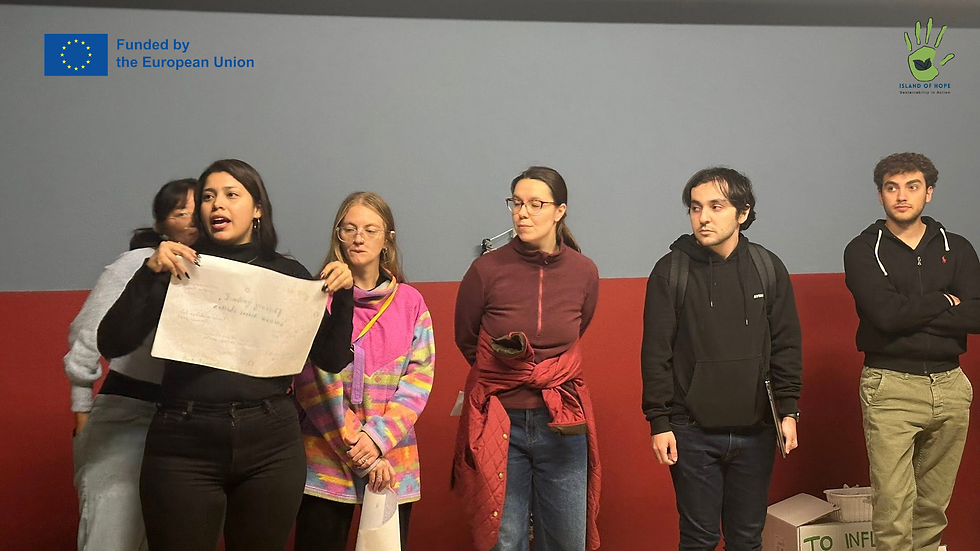
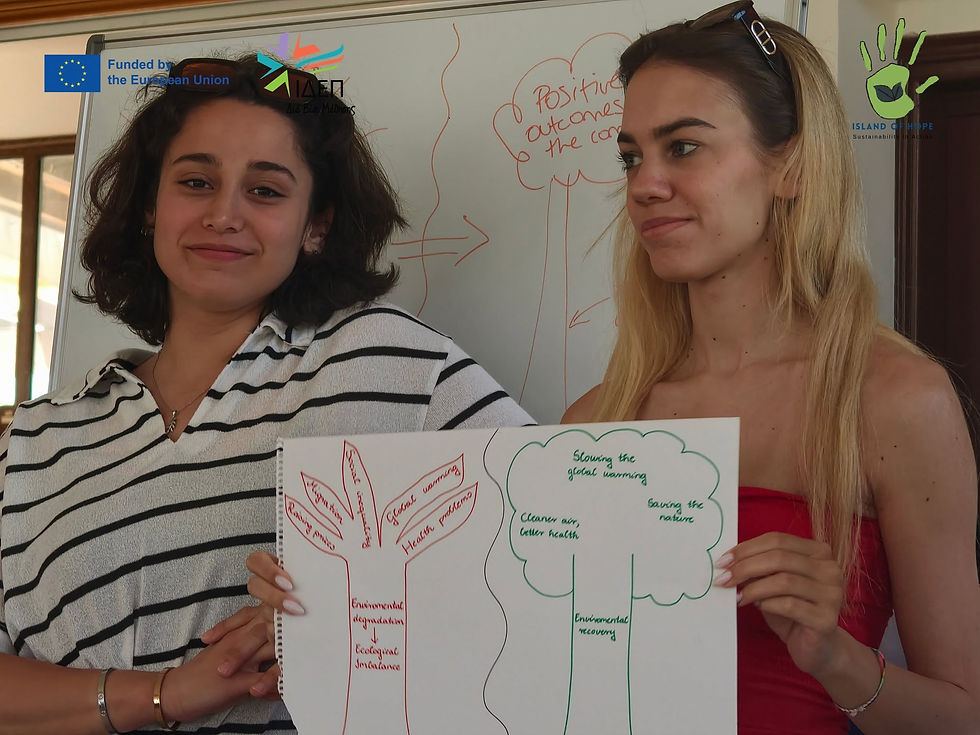
One of the most valuable aspects of the exchange was the opportunity to develop practical skills alongside environmental awareness. Participants worked in international teams to investigate real-life case studies, conduct research, and prepare creative presentations on sustainable fashion practices. These activities strengthened their critical thinking, public speaking, teamwork, and digital competencies while encouraging collaboration among young people from different cultural backgrounds.
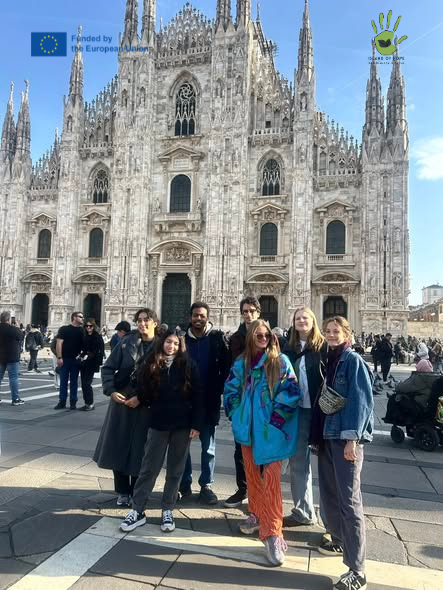
The project also emphasized the importance of active citizenship and community engagement. During cultural and educational visits around Milan, participants explored historical landmarks and interacted with local residents and tourists. Through informal interviews, they collected opinions on sustainable fashion, ethical consumer habits, and environmental responsibility. These conversations helped participants gain a deeper understanding of how sustainability is perceived by different groups of people and inspired them to think about how local actions can contribute to global change.
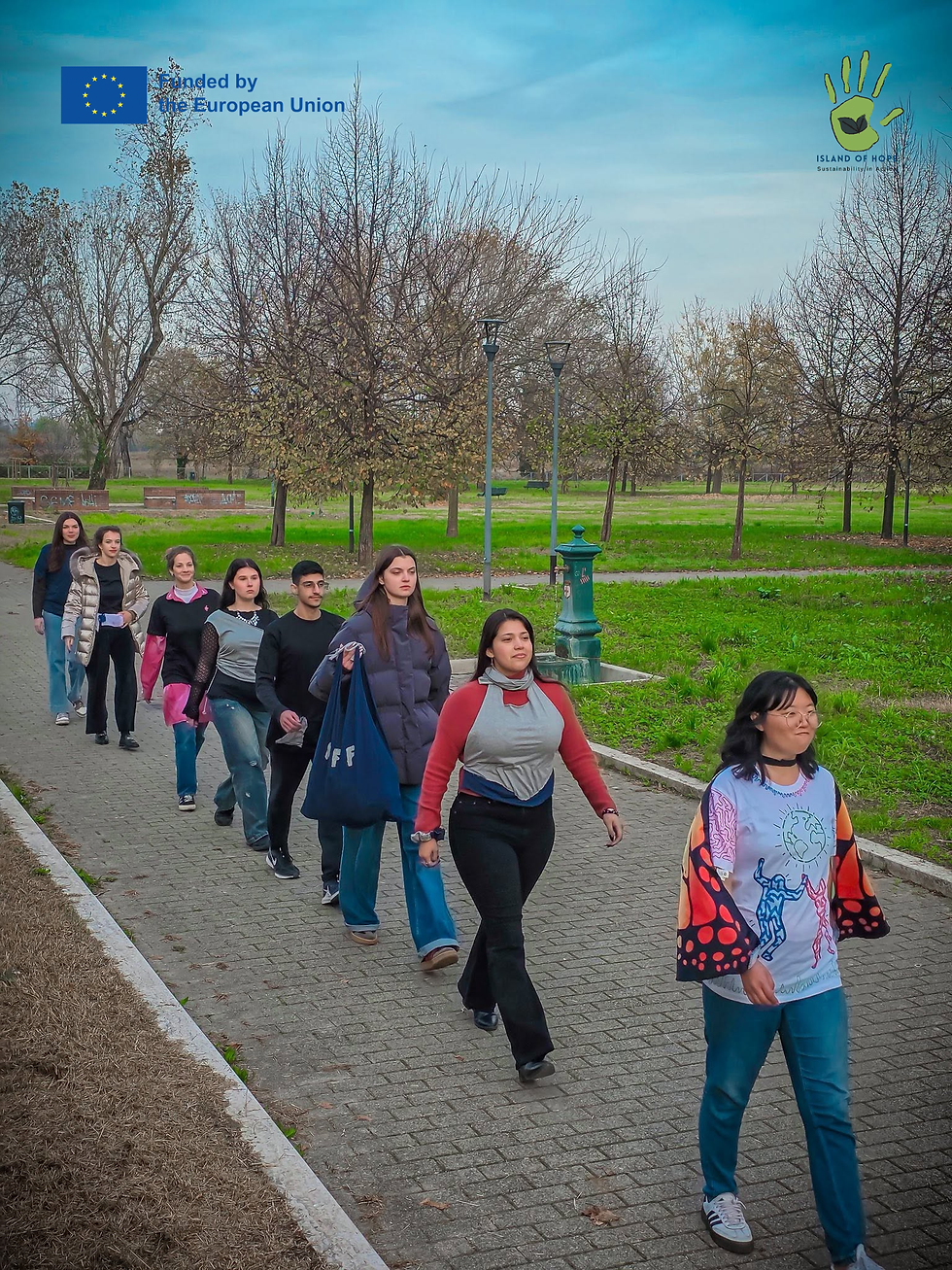
Every morning began with outdoor energizer activities that helped participants start the day with enthusiasm and positive energy. These sessions created a supportive atmosphere, encouraged team spirit, and strengthened friendships among participants from different countries. As the week progressed, cultural barriers disappeared, replaced by mutual respect, cooperation, and intercultural learning.
Beyond environmental education, the project successfully promoted inclusion, diversity, and intercultural dialogue. Young people had the opportunity to share traditions, experiences, and perspectives from their home countries, helping them develop greater cultural awareness and appreciation for diversity. Living and learning together for eight days allowed participants to build meaningful international friendships and strengthen their sense of European citizenship.
By the end of the project, participants demonstrated a much stronger understanding of sustainable fashion and responsible consumption. Many reported changing their attitudes toward clothing purchases, becoming more conscious of the environmental impact of their choices, and recognizing the value of second-hand fashion, clothing repair, and ethical brands. They also gained confidence in their ability to raise awareness and inspire others to adopt more sustainable habits.
The impact of the project does not end in Milan. Equipped with new knowledge, practical skills, and international experiences, participants have returned home ready to act as ambassadors of sustainability. They are now sharing what they learned with their peers, families, schools, and local communities, while also promoting Erasmus+ opportunities that encourage young people to learn, grow, and make a positive difference in society.
“ReWear: Revive Fashion, Reduce Waste” demonstrated that small individual choices can collectively create significant change. By encouraging young people to rethink their relationship with fashion and consumption, the project contributed to building a generation that is more environmentally conscious, socially responsible, and committed to creating a sustainable future.
We would like to thank all partner organizations, participants, and the hosting team for their dedication and contribution to the success of this inspiring project. We are proud to have been part of this international initiative and look forward to seeing the positive impact it will continue to create across Europe.
However, the views and opinions expressed are those of the participants and organizations involved and do not necessarily reflect those of the European Union or the European Commission. Neither the European Union nor the granting authority can be held responsible for them.



Comments