

Day 3: Decoding Digital Realities and Fostering Empathy
Day 3 brought another day of deep self-reflection, intense creative collaboration, and a shift toward digital awareness. With our project focusing heavily on media literacy and digital storytelling for social change, today was designed to make our participants look critically at the digital tools we use every single day.
A Cultural Sunrise and Walking in Someone Else's Shoes
The day commenced on a delicious note with a cultural breakfast organized entirely by our French team. Sharing traditional flavors early in the morning gave everyone a wonderful burst of energy before jumping into our formal schedule.
Afterwards, we kicked off our morning block with a powerful, immersive team-building activity. Participants were challenged to simulate individuals with hearing, vision, and speech impairments, forcing them to find creative ways to collaborate and complete tasks together. This experiential exercise reversed traditional roles, pushed everyone out of their comfort zones, and beautifully fostered deep inclusivity, patience, and a sense of cross-cultural cooperation within the group.
Screening "The Social Dilemma" 🎬📱
Following the team-building session, the group transitioned into a crucial media literacy block: a screening of the acclaimed documentary film, The Social Dilemma, which spanned approximately 90 minutes. Similar to our initial plans to analyze how digital media can manipulate feelings, opinions, and actions, this documentary provided a shocking look into data tracking, algorithmic bias, and the mental health crises tied to screen time. Once the credits rolled, participants were tasked with summarizing the film's core themes in their teams, setting the stage for deep analytical discussions later in the afternoon.
Unpacking the Matrix: Six Thematic Topics
Post-lunch, the energy in the room shifted toward an in-depth examination of the complex societal issues and challenges posed by social media platforms in our daily lives. To give our youth an optimal platform to voice their thoughts, we introduced six specific thematic topics exploring different facets of digital inequality, human rights, and social media's impact on communities.
Participants broke into groups based on their personal interests, ensuring that everyone had a safe space to share their unique perspectives and local experiences. Following the group allocation, we broke out a high-energy energizer activity to shake off the afternoon slump, rev up our internal team dynamics, and get the creative juices flowing again!
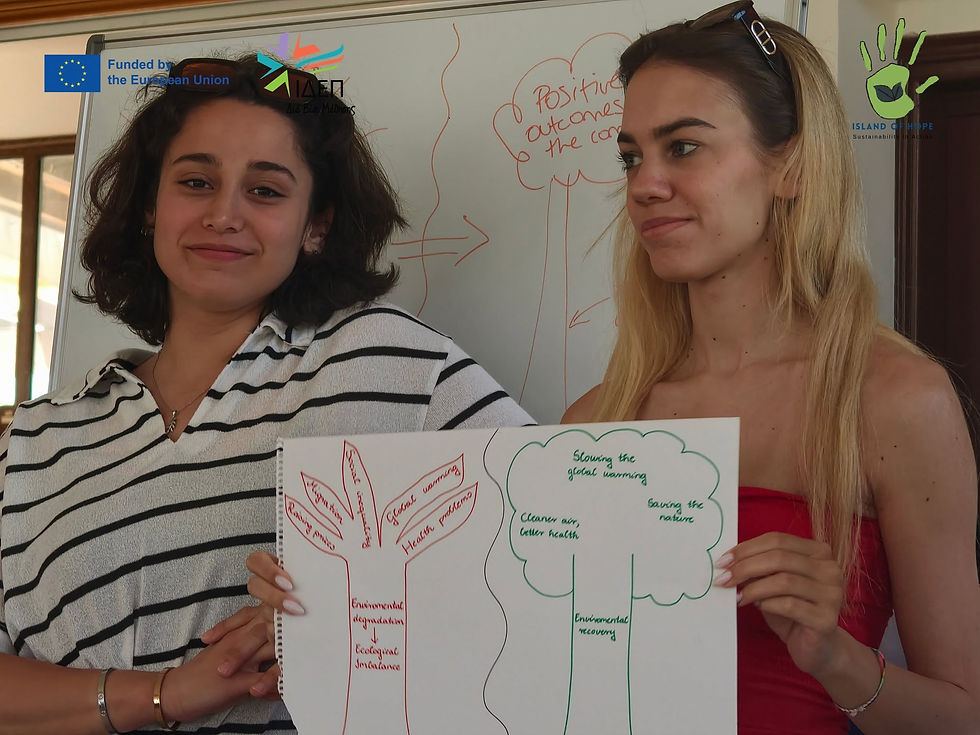
Once re-energized, the teams officially convened to strategize, brainstorm, and collaborate on their chosen topics. Utilizing the Idea Development and Collective Learning methods, they began preparing compelling presentations to pitch their findings and arguments to the broader group tomorrow.
Major Learning Outcomes of Day 3:
Heightened Media Literacy: Participants gained a critical understanding of the underlying mechanics of social media networks and learned to analyze how digital platforms manipulate public discourse.
Experiential Empathy & Inclusion: The morning simulation successfully heightened participants' awareness of accessibility, fostering solidarity and breaking down barriers for marginalized perspectives.
Critical Strategy & Teamwork: Youth effectively transitioned from passive media consumers to active analytical storytellers, co-creating structured arguments around pressing digital threats to society.
The day concluded in alignment with our Erasmus+ quality standards: with a dedicated reflection and feedback session. We then moved into a comprehensive summary meeting to synthesize our key insights, track individual learning progress, and celebrate the major outcomes of the day's activities.
The critical thinking cap is officially on, and the teams are ready to transform these ideas into raw media tomorrow!
The views, opinions, activities, and materials expressed within this project and publication are the sole responsibility of the beneficiary organization and its project partners and do not necessarily reflect the official position of the European Commission. The European Commission cannot be held responsible for any use that may be made of the information contained therein.


Comments